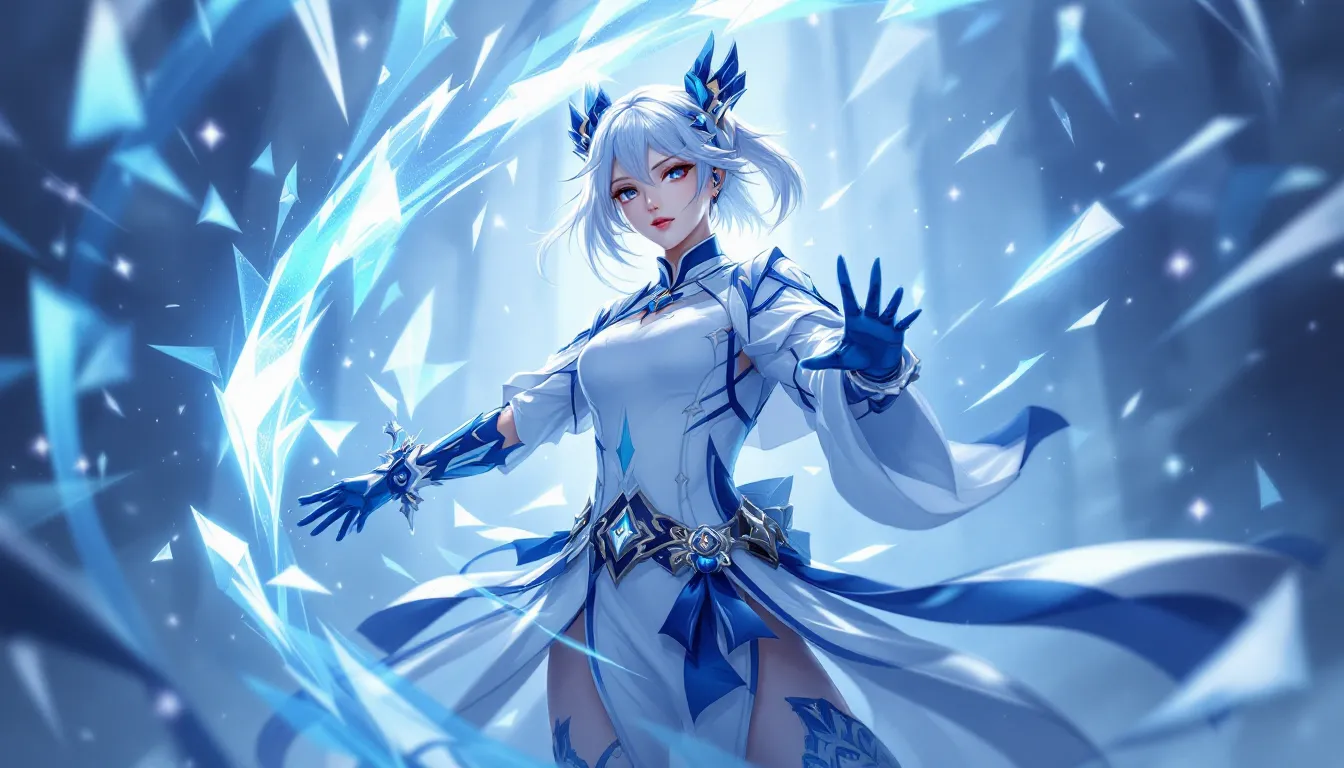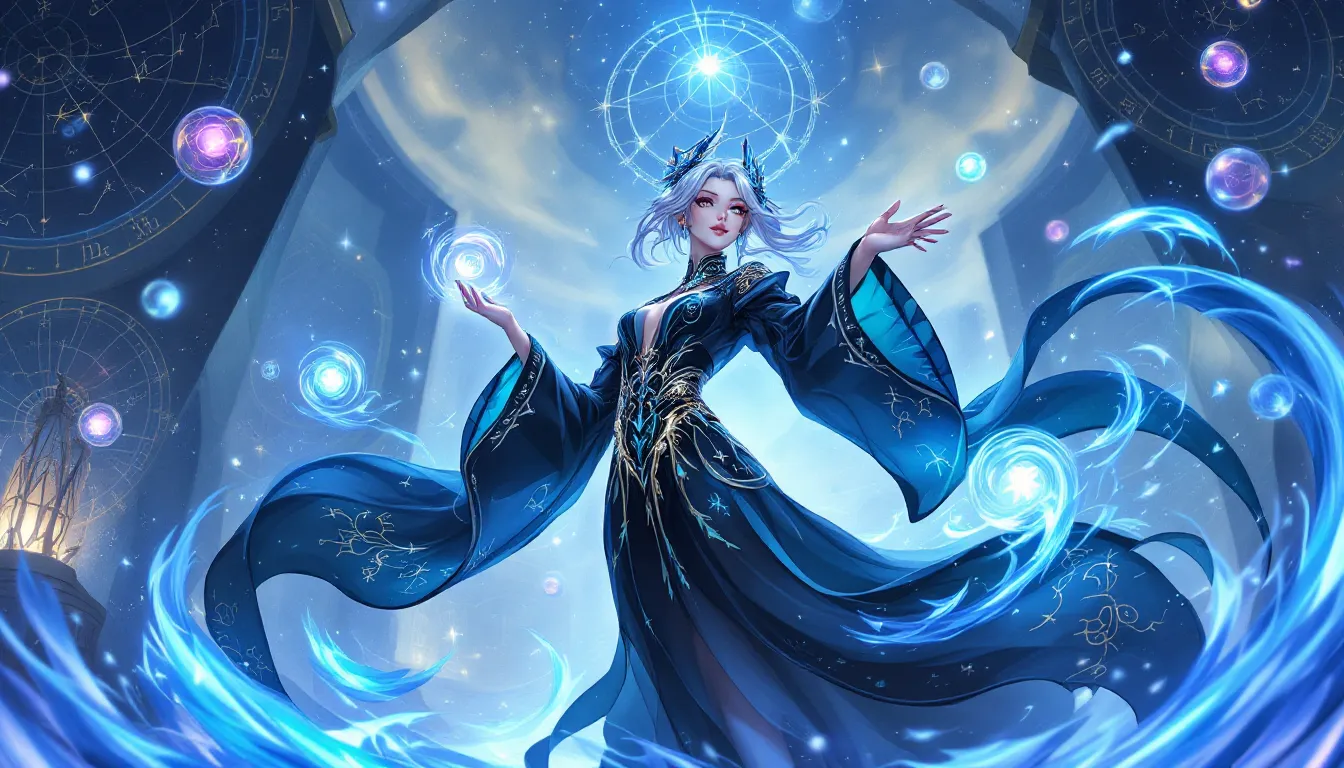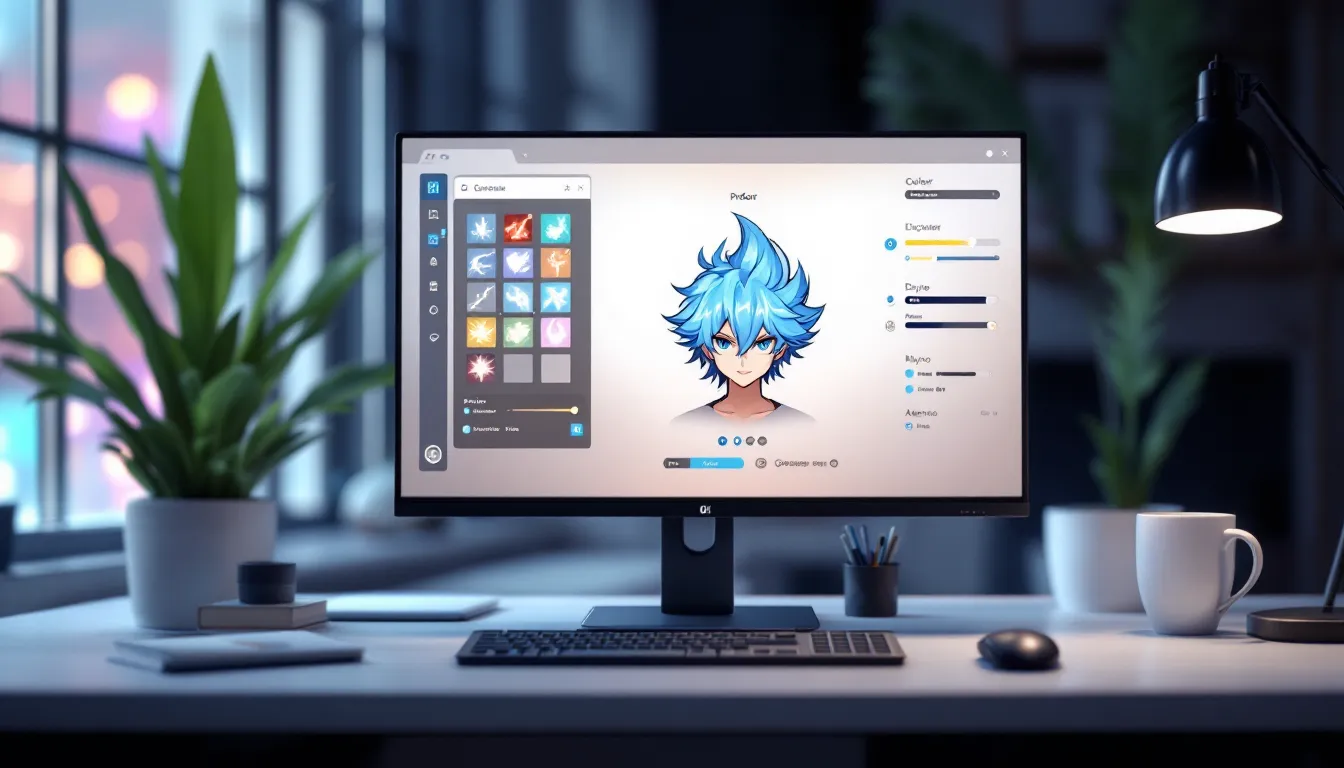
Creating original characters (OCs) for Genshin Impact has become a cornerstone of fan engagement, blending creativity with the game’s rich lore and mechanics. Whether you’re designing a Pyro wielder with a tragic backstory or a Cryo support character with healing abilities, a Genshin Impact OC maker gives you the tools to bring your vision to life. The community has exploded with tools, guides, and platforms specifically built to help players design OCs that feel authentic to Teyvat’s world while standing out among the thousands already created. From browser-based generators to community-crafted resources, there’s never been a better time to develop the character you’ve been imagining. This guide walks you through everything, from understanding how OC makers work to final touches that make your creation shine.
Table of Contents
ToggleKey Takeaways
- A Genshin Impact OC maker is a community-driven tool that helps players design custom characters fitting seamlessly into Teyvat’s universe using structured frameworks for elements, weapons, and abilities.
- Successful OC design requires balancing visual appeal, lore consistency, and mechanical accuracy by aligning character appearance, backstory, and combat role with Genshin Impact’s established systems and regional aesthetics.
- Common mistakes to avoid include overpowering characters, ignoring region-specific design elements, selecting elements that contradict personality, and creating duplicate ability kits instead of innovative mechanics.
- Browser-based generators like Picrew and community tools on Reddit, Discord, and Amino provide accessible entry points for OC creation, from quick visual concepts to comprehensive mechanical design.
- Sharing your OC across platforms like Reddit’s r/GenshinImpactOCs, Discord servers, Twitter, and Amino amplifies creative satisfaction while inviting community feedback that refines and elevates your character design.
- Infuse personality into ability names, build meaningful relationships with established characters, and engage with community feedback iteratively to transform a basic concept into a standout OC that resonates within the Genshin Impact community.
What Is A Genshin Impact OC Maker?
A Genshin Impact OC maker is a tool, digital or conceptual, that helps players design custom characters that fit seamlessly into the game’s universe. It’s not an official game feature, but rather a collection of community-driven resources, templates, and generators that guide you through character creation. These tools function as frameworks, offering structured approaches to building OCs with consistent stats, lore-friendly elements, and balanced abilities.
At its core, an OC maker addresses a fundamental gap: while Genshin Impact lets you customize your Traveler’s appearance slightly, it doesn’t offer robust tools for creating entirely new playable characters. OC makers fill that void, giving fans detailed prompts, design sheets, and interactive generators. Some are simple, text-based questionnaires that help you define your character’s personality and role. Others are elaborate, with visual character creators, ability builders, and lore integration systems.
Why do gamers care? OC creation sits at the intersection of art, storytelling, and game mechanics. Players pour thousands of hours into Genshin Impact and naturally want to contribute their own characters to the world. Whether you’re an artist, writer, or just a fan with a cool concept, an OC maker democratizes character design, you don’t need professional skills or technical knowledge to create something meaningful. The community rewards creativity and originality, making OC creation a legitimate form of fan expression alongside fan fiction, fan art, and cosplay.
How OC Makers Work Within The Game
Character Customization Mechanics
OC makers rely on understanding Genshin Impact’s core mechanics to ensure your creation feels authentic. Every character in Teyvat operates within a specific framework: element affiliation (Pyro, Hydro, Electro, Cryo, Anemo, Geo, Dendro), weapon type (sword, claymore, polearm, catalyst, bow), rarity tier (3-star through 5-star), and role (DPS, sub-DPS, support, healer). Your OC must fit these constraints to feel legitimate.
The elemental system is non-negotiable. Each element carries thematic weight and mechanical consequences. Pyro characters excel at damage and applying the burning reaction: Hydro enables freeze, vaporize, and bloom reactions: Cryo supports freeze teams or physical DPS. When designing your OC, the element choice should reflect both personality and gameplay viability. A timid, reserved character might use Cryo (introspective, crystalline), while a fiery, passionate character feels at home with Pyro.
Weapon selection ties directly to playstyle. A fast-attacking support might wield a sword or catalyst, while a hard-hitting DPS carries a claymore. Ascension materials, talent books, and weapon affinity all factor into mechanical feasibility. Some OC makers include dropdowns to verify that your character’s material requirements align with in-game domains and ley line systems.
In-Game Tools And Features
Genshin Impact’s native customization extends primarily to the Traveler. Upon reaching certain story points, you unlock the ability to change your Traveler’s appearance, outfit, and elemental alignment. This is the closest Genshin comes to in-game OC creation, though it’s limited compared to dedicated OC maker tools.
Beyond the Traveler, the game doesn’t offer official character creation. But, the Spiral Abyss, events, and story quests occasionally feature NPC designs that feel like playable character concepts. Many OC makers take inspiration from these systems, using them as benchmarks for stat distributions, ability mechanics, and visual design.
The Hoyoverse community forums and in-game events occasionally feature fan character showcases, implicitly encouraging players to develop OCs. Some events have fan art contests that reward original Genshin characters, further legitimizing OC creation as a recognized community activity.
Top OC Maker Tools And Platforms For Genshin Impact
Browser-Based And Online Generators
Online OC makers are the most accessible entry point for newcomers. These web-based tools require no downloads and work across all devices, PC, console, even mobile (though mobile can feel cramped). Several stand out for their depth and user-friendliness.
Picrew hosts dozens of Genshin Impact-themed character creators. Search “Genshin Impact OC maker” on Picrew and you’ll find generators specifically designed for the aesthetic. Most let you adjust appearance (hair, eyes, clothing style, color palette) and instantly generate a visual representation of your character. The visual output isn’t always perfectly polished, but it’s an excellent starting point for inspiration or a first draft. Best for: Quick visual concepts and non-professional character art.
Quotev offers interactive quizzes and character-building questionnaires. Some creators have published detailed Genshin OC building quizzes that walk through element selection, weapon choice, region affiliation, and personality traits. The structured format reduces decision paralysis. Best for: Structured character development and lore consistency.
Custom HTML and Google Forms generators also circulate through Reddit communities and Discord servers. These are often labor-intensive passion projects created by super-fans. They tend to be more thorough and lore-aware than generic OC makers, sometimes including entire visual design systems tied to Genshin’s aesthetic. Best for: Comprehensive, game-accurate character creation.
Community-Created Tools And Resources
The most sophisticated OC makers emerge from passionate community members who’ve invested hundreds of hours into design systems. Reddit’s r/GenshinImpactOCs hosts pinned megathreads with OC maker resources, templates, and character sheet formats. Many are Google Doc templates that guide you through element selection, ability design, weapon choice, constellation mechanics, and detailed backstory sections.
Discord servers dedicated to Genshin OC creation often feature bots or pinned resources. Some servers have experienced members offering feedback and refinement, invaluable for first-time OC creators. The collaborative nature of Discord means you get real-time guidance from other players, not just a robotic template.
Amino communities (particularly the Genshin Impact Amino) host extensive OC galleries and maker resources. Users share their OCs in structured posts with character sheets, fan art, and detailed ability descriptions. The community often upvotes and comments on OCs, providing constructive feedback that helps creators iterate and improve.
Some fans have created interactive spreadsheets that simulate Genshin mechanics, calculating stat ratios, reaction damage, and ability scaling based on your character’s level and gear. These aren’t graphical generators, but they’re mechanically comprehensive and help you understand whether your OC’s abilities are balanced relative to actual in-game characters. Best for: Mechanically rigorous OC design.
Creating Your Genshin Impact OC: Step-By-Step Process
Designing Your Character’s Appearance
Appearance is often the first step, it’s visual, immediate, and sets the tone for everything else. Start by establishing basic features: age (visual representation, not a specific number), body type, facial structure, and color palette. Genshin characters typically follow a stylized anime aesthetic, so consider whether your OC skews toward the more realistic designs (like Ayaka or Hu Tao) or the cartoonish side (like Bennett or Mika).
Next, select hair color and style. This often correlates with element or region. Pyro characters frequently have warm tones, reds, oranges, golds. Cryo characters lean toward cool whites, blues, and silvers. Dendro characters embrace greens and earth tones. Your color choice should feel intentional, not random. Hair length and texture also communicate personality: sharp, angular styles suggest aggressive fighters, while flowing, gentle styles hint at support roles or peaceful personalities.
Clothing design is crucial and should reference your character’s region (Mondstadt, Liyue, Inazuma, Sumeru, Fontaine, Natlan, Snezhnaya) and occupation or role. A scholar from Sumeru should wear clothing reflecting Sumerian academia, while a Cryo militaristic character needs tactical gear. Genshin’s art direction emphasizes distinct regional aesthetics, leverage that. Look at existing characters from your OC’s supposed region and ensure visual cohesion.
Color palette consistency matters. Most Genshin characters use 2-3 dominant colors plus accents. Overwhelming viewers with too many clashing colors reads as amateurish. Pick a primary color (outfit base), secondary (accents, patterns), and tertiary (small highlights). Ensure they complement your character’s element and element color.
Finally, consider accessories and distinctive features. Does your character have a weapon on their back? Elemental symbols or tattoos? Unique jewelry or trinkets? These details make characters memorable and signal their personality or lore significance.
Building Your Character’s Backstory And Lore
Lore transforms a design into a character. Start with origin and background: Where is your character from? What’s their family situation? What event or circumstance led them to adventure? Most Genshin characters have dramatic origin stories, tragedy, mystery, or extraordinary talent.
Next, define personality and motivation. How does your character interact with the Traveler? Are they cynical, optimistic, mysterious, bubbly? What drives them? Genshin excels at characters with conflicting motivations or hidden depths. A cheerful character might hide loneliness: a serious character might struggle with duty versus personal desire. Exploring Genshin Impact Lore: provides deeper narrative frameworks you can mirror.
Consider relationships with existing characters or lore. Does your OC know other characters? Are they affiliated with a specific organization (Adventurers’ Guild, Knights of Favonius, Inazuma’s shogunate)? These connections root your OC in Teyvat’s world rather than leaving them as an isolated concept.
Vision acquisition story is crucial. Every playable character’s Vision, the elemental gem powering their abilities, has a dramatic origin moment. When did your character receive their Vision? What were they feeling or doing? This moment should reflect why they resonate with their specific element. A character overcome by isolation might gain a Cryo Vision: someone filled with protective rage might gain a Pyro Vision.
Document key story beats: major events in your character’s life, relationships, conflicts, and goals. Even a simple timeline (childhood → defining event → present day → future aspirations) adds depth.
Assigning Elements, Weapons, And Combat Role
Element selection is the most mechanically important decision. Consider both thematic fit and gameplay viability. Your character’s personality, backstory, and appearance should justify their element. A cheerful, energetic character forced into Cryo feels wrong, while a reserved, cold character naturally aligns with Cryo mechanics and aesthetics.
Weapon choice should reflect your OC’s role and gameplay identity:
- Sword users are typically balanced characters (Ayaka, Kazuha, Keqing). Medium attack speed, versatile.
- Claymore users are heavy hitters (Diluc, Eula, Alhaitham with different weapon). Slower attacks, higher individual hit damage.
- Polearm users are fast and mobile (Hu Tao, Zhongli, Xiao). Quick succession attacks.
- Catalyst users are elemental specialists and supports (Nahida, Fischl, Barbara). Range advantage.
- Bow users offer ranged physical DPS or elemental application (Ganyu, Fischl). Vulnerable during reload.
Match weapon to your character’s playstyle and personality. A graceful, acrobatic character might use a bow: a berserker-type fighter suits claymores: a technical, refined character fits catalyst use.
Combat role determines ability design. Genshin broadly categorizes characters as:
- Main DPS (Damage Dealer): High personal damage output. Examples: Hu Tao, Alhaitham, Ayaka.
- Sub-DPS: Lower on-field time, applies elements or deals burst damage. Examples: Fischl, Xingqiu, Zhongli (though he’s primarily support).
- Support: Provides buffs, heals, or shields. On-field time minimal. Examples: Bennett, Kazuha, Nahida (though she’s also sub-DPS).
- Healer: Restores HP. Examples: Barbara, Jean, Kokomi.
Define which archetype your OC fills. This determines ability design, stat priorities, and team synergies. A healer-support should have abilities that benefit allies without requiring long on-field rotations. A main DPS needs high personal scaling and intuitive attack chains.
Ability kit design follows Genshin’s structure: Normal Attack, Elemental Skill, Elemental Burst. The Normal Attack is auto-attacks (quick, spammable). The Elemental Skill is the signature ability (cooldown-based, high utility). The Elemental Burst is the ultimate (high energy cost, maximum impact). Design abilities that synergize, your Skill might apply an element, enabling your Burst to trigger powerful reactions. This is where studying how characters like Genshin Impact Albedo function in actual gameplay helps. Albedo’s Skill creates persistent elemental damage, synergizing perfectly with his Burst. Your OC’s abilities should flow similarly.
Constellation design (passive talents unlocked at higher rarities) should offer incremental power boosts that reflect your character’s identity. A DPS character’s constellations might reduce cooldowns or increase damage scaling: a support’s might improve ally buffs or reduce energy requirements.
Common Mistakes To Avoid When Creating OCs
Overpowering your character is the easiest trap. Genshin is carefully balanced: characters have trade-offs. High personal damage means weak support capabilities. Lots of healing means lower DPS. Overly unique mechanics often feel forced or lore-breaking. The best OCs fit Genshin’s design philosophy, not break it. Compare your ability scaling to existing characters. If your 5-star character’s burst out-damages Hu Tao (the current top single-target DPS as of 2026 patches), recalibrate.
Ignoring region and cultural consistency damages immersion. Every Genshin region has a distinct visual and cultural identity. Liyue is inspired by Chinese aesthetics: Inazuma mirrors Japan: Fontaine evokes France. If your OC is from a region, their design, weapon, outfit, and background should reflect that region’s themes. An Inazuma character with European medieval armor reads as incongruous. Research the region thoroughly before finalizing your design.
Selecting an element that contradicts lore or personality breaks narrative cohesion. Vision affiliation should feel earned, not arbitrary. A character who received Cryo because “ice looks cool” feels hollow compared to one who gained it during a moment of emotional isolation or crystalline determination. Every existing Genshin character’s Vision connects directly to a transformative moment. Your OC needs the same depth.
Creating a duplicate ability kit wastes creativity. Hundreds of Cryo polearm DPS OCs exist because that’s Hu Tao’s archetype. Instead of copying, consider what makes your character unique. Maybe your Cryo polearm uses a freeze-focused kit rather than melt. Maybe they’re a support instead. The community notices originality and rewards it.
Neglecting stat balance and energy economy makes abilities feel broken or useless. If your character requires 120 energy for their Burst but only generates 10 particles per Skill use, they’ll never ult off-cooldown, mechanically dysfunctional. Energy regeneration, cooldown timing, and damage scaling should feel cohesive. Study how existing characters’ energy flows: your OC should feel similarly responsive.
Assuming your backstory ties into main plot events creates canon conflicts. If your OC is supposedly a major Fatui executive but the main story never mentions them, players notice. It’s safer to create OCs as secondary characters, the Traveler might encounter them in a side quest, but they’re not central to world-altering events. Alternatively, clearly frame your OC as “non-canon” or “alternate timeline,” which the community fully accepts.
Using generic or overly edgy backstories makes characters forgettable. “Mysterious orphan raised in shadows” is a Genshin staple, but thousands of OCs share it. Push for specificity: What organization raised them? How does it haunt them? Why are they adventuring now? Specific details create memorable characters. The deep character work in Genshin Impact Lynette shows how a seemingly simple “mysterious performer” concept becomes unforgettable through specific details and relationships.
Ignoring balance between offense and utility leads to unplayable archetypes. A character with massive healing, buffs, CC, and 200% damage scaling isn’t a balanced support, they’re a fantasy with no trade-off. Real Genshin supports trade personal damage for team utility, or high cooldowns for strong effects. Constraints create interesting design spaces.
Tips For Making Your Genshin Impact OC Stand Out
Leverage unconventional mechanics within Genshin’s framework. Most claymore users focus on damage, but what if your OC generates massive shields instead? What if your support character is on-field more than typical, forcing team-building innovation? Unique mechanics make OCs memorable and encourage community discussion.
Infuse personality into ability naming and effects. Instead of generic skill names, create names reflecting your character’s identity. If your character is a scholarly researcher, name their abilities after academic concepts. If they’re a street performer, use terminology from performance arts. Ability effects should visually align with personality: a chaotic character’s effects might look volatile: a calm character’s might appear serene. This polish separates standout OCs from forgettable designs.
Build meaningful character relationships. Rather than existing in isolation, tie your OC to established Genshin characters. Maybe they trained together, have opposing ideologies, or share mysterious connections. The best OCs feel like they could authentically interact with the roster. These relationships provide narrative hooks and give the community material to speculate about.
Provide multiple visual representations. A simple sketch or Picrew generator image helps, but commissioned fan art or multiple outfit variations dramatically boost an OC’s presence. You don’t need professional art, community artists are generous with commissions, and many take payment in kind (fan art trades, community clout). Multiple visual angles make your OC feel more “real.”
Document mechanics transparently. If you design an OC with unique ability scaling, explain it clearly. Share damage calculations, cooldown assumptions, and energy generation formulas. This transparency shows you’ve thought through mechanics and invites constructive feedback from theorycrafters. Resources like IGN’s detailed guides approach gaming mechanics with precision: mirror that clarity.
Engage with community feedback thoughtfully. Post your OC in communities, listen to critique, and iterate. The best OCs are refined through dozens of feedback cycles. Someone might point out a lore contradiction, suggest a visual improvement, or propose a cooler ability mechanic. Graceful iteration compounds into a standout character.
Create secondary characters or a world around your OC. Instead of a single character, design a team or organization. Maybe your OC leads a crew of adventurers, each with complementary elements and personalities. This expands your creative scope and gives community members more to engage with. Some of the most beloved OC projects have entire fictional teams or regions built around them.
Write interactions or dialogue trees. Showcase your character’s personality through dialogue with the Traveler or other established characters. Short imagined conversations reveal personality, humor, and depth far more effectively than descriptions. Community members love reading character interactions: it’s why fan fiction thrives.
Balance uniqueness with Genshin’s aesthetic. Your OC should feel original but belong in Teyvat. Overly futuristic, anime-only, or out-of-universe designs feel out of place. Study Genshin’s design language, color saturation, proportions, thematic elements, and ensure your OC speaks that visual language while remaining distinct.
Sharing Your OC With The Genshin Impact Community
Once your OC is complete, sharing it amplifies the creative satisfaction. The Genshin community is incredibly receptive to original characters, and several platforms specialize in OC showcase.
Reddit is the primary hub. Post your OC to r/GenshinImpactOCs (the dedicated subreddit) or r/Genshin_Impact (the main community). Include clear visuals, a concise backstory, ability descriptions, and element/weapon/role information. Tag your post appropriately (e.g., “[OC] [Fanart]”). Reddit’s upvote system and comment section generate discussion and feedback. High-quality posts get thousands of interactions.
Discord servers dedicated to Genshin fan content welcome OC introductions. Many have dedicated channels for OC sharing. Discord’s real-time chat enables immediate feedback and community engagement. Join several Genshin Discord communities, find the appropriate channels, and introduce your character. Mods typically provide constructive feedback, and community members offer suggestions for improvement.
Amino is another established platform. The Genshin Impact Amino has robust OC communities. Create a detailed post with character sheet, visuals, and lore. Amino’s system rewards quality posts with feature spots on the app’s homepage, giving your OC broader visibility.
Twitter/X is essential for visual OCs. If you have fan art, post it with relevant hashtags (#GenshinImpactOC #GenshinImpact #OriginalCharacter). Twitter’s algorithm surfaces trending content: quality art can gain significant traction. Engage with Genshin fan artists, retweet, comment, build community connections. Visibility on Twitter often leads to commissions and collaborations.
ArtStation, DeviantArt, or Tumblr work for portfolio-style presentation. These platforms attract artists and designers. If your OC includes original artwork or detailed design documentation, these platforms showcase it professionally.
Fan fiction platforms like Archive of Our Own (AO3) or FanFiction.net allow you to write stories featuring your OC. Written content performs differently than visual content but reaches dedicated readers. Some of the most beloved OCs are memorable because of the stories written about them, not just their designs.
Collaborate with fan artists and writers. The community thrives on collaboration. Commission artists to draw your OC, or partner with writers to create origin stories. Collabs increase visibility and create finished products that feel more polished than solo work.
Engage consistently. Sharing once doesn’t guarantee community recognition. Revisit communities, comment on others’ OCs, participate in contests or prompt challenges. Consistency builds reputation and increases the likelihood that your OC becomes part of community consciousness.
Be open to fan interpretations. Once you share your OC publicly, community members will create fan art, write fan fiction, or imagine how they’d design the character differently. This is a sign of success, your character has inspired others. Embrace fan interpretations gracefully: they extend your OC’s lifespan and relevance.
The most successful OCs become community fixtures, referenced in discussions, featured in fan compilations, reimagined by multiple artists. That journey starts with sharing authentically and engaging with feedback.
Conclusion
Creating a Genshin Impact OC maker project, whether using existing tools or building from scratch, combines technical game knowledge with creative storytelling. The process demands attention to detail: mechanical balance, regional consistency, personality depth, and visual cohesion all matter. Your OC should feel like it genuinely belongs in Teyvat, not forced into the world.
Start with appearance or backstory, whichever excites you most. Use the step-by-step framework to flesh out element, weapon, abilities, and lore. Avoid common pitfalls like overpowering mechanics or duplicate archetypes. Polish your design through iteration and community feedback. Finally, share confidently, the Genshin community rewards effort, originality, and authenticity.
Whether you’re designing a single character or an entire fictional organization, OC creation is a legitimate form of fan expression. Some of the community’s most beloved original characters rival official designs in depth and appeal. Your creation might inspire others, spawn fan art, or become part of community legend. That potential exists in every character you bring to life. Start today, and see where your creativity takes you across Teyvat.